



A place for history near Vaucelles Abbey and the Matisse Museum
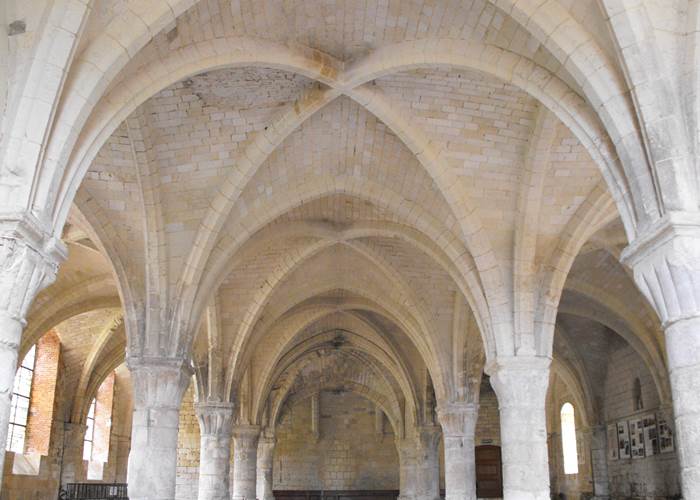
Abbaye de Vaucelles
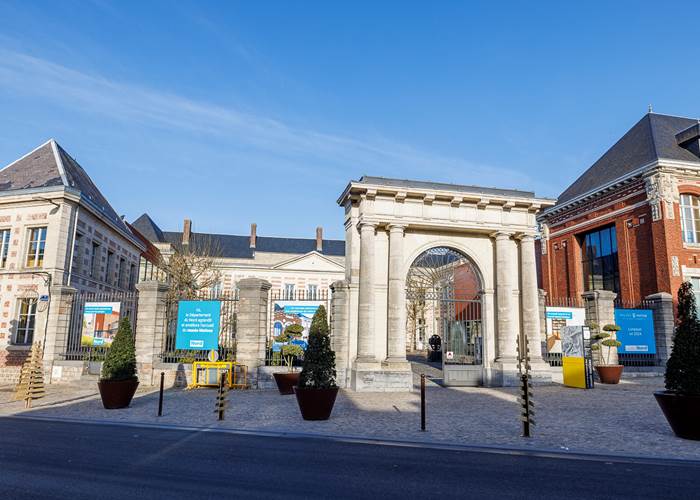
Musée Matisse Le Cateau Cambresis
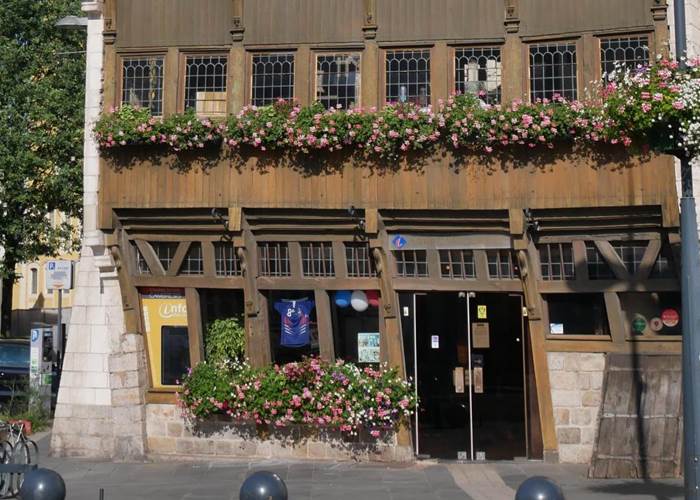
Office de tourisme Cambrai
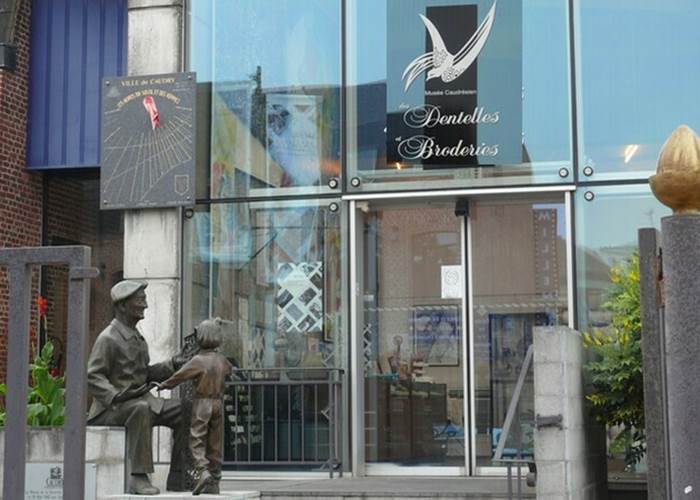
Musée de la dentelle Caudry
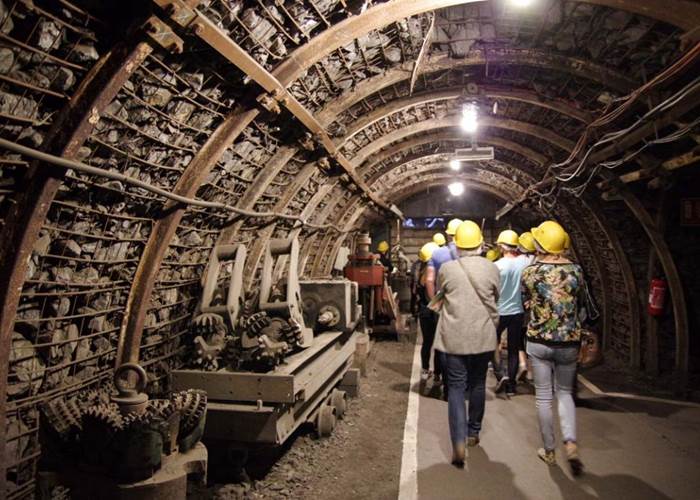
Centre historique minier de Lewarde
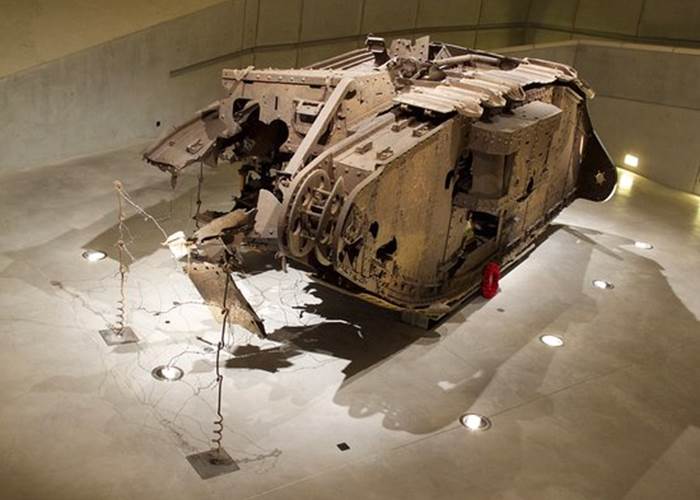
Tank Deborah
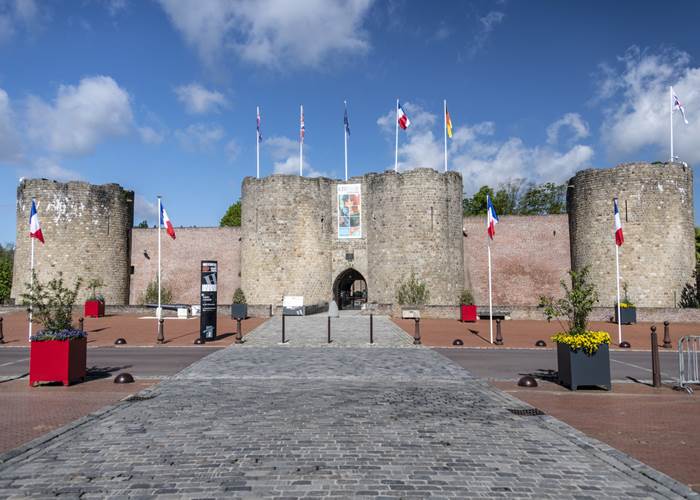
Historial de la Grande Guerre Péronne
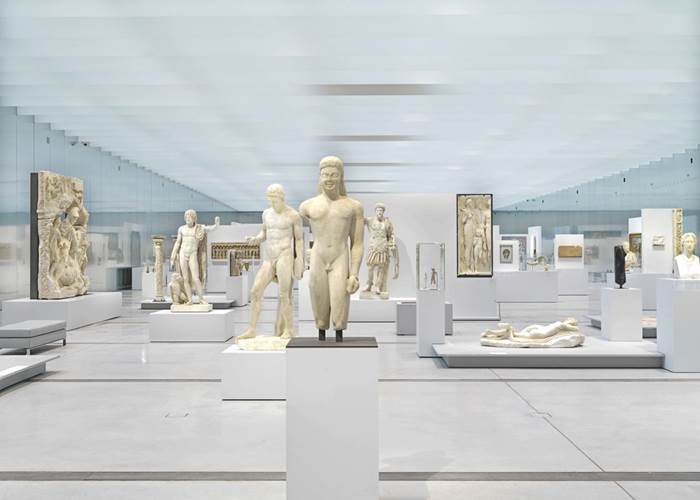
Le Louvre Lens
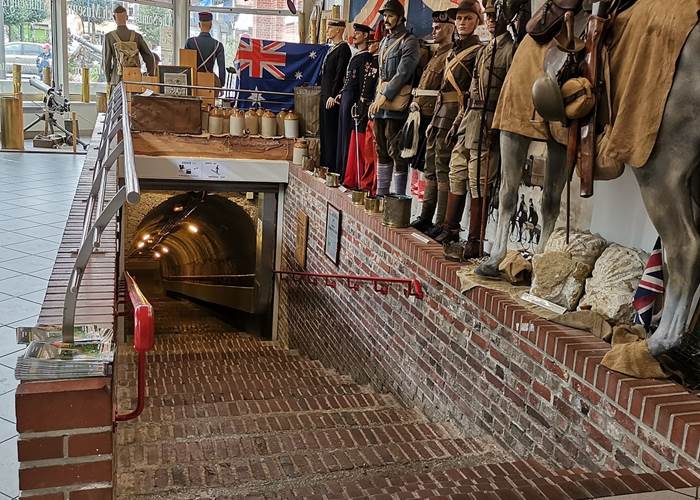
Musée Somme 1916 Albert
A journey back in time at the Bonavis Farm
Sleeping at Ferme de Bonavis means staying in a place steeped in centuries of history.
Located in Banteux, in the heart of the Cambrésis region, the Ferme de Bonavis is a former 18th-century coaching inn. In a time when stagecoaches connected the major cities of Europe, travelers would stop there to rest, change horses and regain their strength before continuing their journey.
We have rediscovered Leopold Mozart's travel letters, which recount how his entire family, including young Wolfgang Amadeus Mozart, stayed here during their journey to Paris. Whether one comes for the history, the heritage, or simply for the pleasure of a peaceful stay, this residence still retains the charm of its past.
At the heart of a territory steeped in history
La Ferme de Bonavis enjoys an ideal location for exploring the Cambrésis region.
Just a few minutes away is the majestic Vaucelles Abbey , one of the largest Cistercian abbeys in Europe, famous for its architecture, gardens and exhibitions.
History enthusiasts can also explore the numerous First World War memorial sites surrounding Banteux and Cambrai. This area was deeply marked by the battles of 1917 and 1918, traces of which are still visible today.
A village reborn
Like many towns in the Cambrésis region, Banteux was almost entirely destroyed during the Great War.
Thanks to old postcards, period photographs and preserved testimonies, it is now possible to rediscover the village as it was before the conflict, and then to observe its remarkable reconstruction.
At Ferme de Bonavis, we are committed to sharing this history with our visitors.
An authentic experience
Today, the Ferme de Bonavis is a guest house where history blends with modern comfort.
More than a room, a living room
Staying at Ferme de Bonavis means taking the time to discover an unknown territory, rich in history, heritage and nature.
We will be happy to advise you on the most beautiful visits, the best restaurants and the itineraries that will make your visit an unforgettable memory.
Welcome to Bonavis Farm… where every stone tells a story.
Vaucelles Abbey
At the beginning of August 1132, Saint Bernard, the first abbot of Clairvaux, and a dozen companions founded a new abbey on the banks of the Scheldt, on land offered by Hugh of Oisy, castellan of Cambrai.
Vallis cella – the monastery in the valley – is the 11th daughter of Clairvaux, the 58th of Citeaux, the monastic order in full expansion in this 12th century.
The Matisse Museum in Le Cateau-Cambrésis was created by the painter himself in 1952. It is the only museum Matisse established during his lifetime. After an 18-month closure for expansion work, the Henri Matisse Museum will reopen on November 23, 2024, in Le Cateau-Cambrésis. We look forward to seeing you there!
A renovated and expanded museum, now nearly 1000m², will soon welcome you. The exhibition design has been completely revamped to promote a didactic approach to the entire body of work of the master of color and ensure a more immersive visitor experience.
The Fauvist artist's collection is enhanced and displayed to its fullest potential thanks to a new 300 m² museum space and three rooms dedicated to his different techniques: engraving, sculpture, paper cutting.
A renovated reception area, a dedicated group reception area and four new workshop spaces complete the museum's new look after the renovations.
https://museematisse.fr/agenda
The entire range of tourist services
https://www.tourisme-cambresis.fr/
This atypical museum invites you to discover the lacemaking heritage and textile arts of Caudrésis, at once a museum of society and a fashion museum open to contemporary creation.
The museum presents a technical collection illustrating the Leavers lace-making process.The exhibition features a wide range of fabrics – a specialty of Caudry – as well as a textile collection consisting mainly of samples and dresses made of lace and embroidery from Caudry and the surrounding area. The unique characteristics of the local lace industry, which involves re-embroidering lace mechanically or by hand, are also represented.
Donations from individuals, lace companies or creators through partnerships regularly enrich the museum's collections.
https://musee-dentelle.caudry.fr/
Relive three centuries of coal mining in the North and Pas-de-Calais, a fascinating human and industrial adventure!
https://www.chm-lewarde.com/fr/
A leading museum dedicated to the First World War, the Historial addresses the conflict in all its scope and dimensions: military, social, cultural.
The Louvre-Lens is the work of architects Kazuyo Sejima and Ryue Nishizawa of the SANAA firm. Organized as a 3,000 m² open space, the Gallery of Time displays more than 200 key works from the Louvre Museum. By presenting masterpieces from the 4th millennium BCE to the mid-19th century, the Gallery of Time offers a comprehensive and innovative journey through the history of art and humanity, allowing visitors to appreciate the Louvre's collections in a new way. The Louvre-Lens is thus the first venue to present the Louvre's collections outside the walls of the Parisian palace: since 2012, more than 3,000 works from the Louvre's collections have been exhibited in Lens.
Located in the heart of the battlefields and in the center of Albert, a city that symbolizes the First World War, this museum, whose entrance is located at the foot of the basilica, retraces the life of soldiers in the trenches during the offensive of July 1, 1916. Around fifteen alcoves and display cases are installed in a 250-meter underground tunnel used as an air-raid shelter during the Second World War. Sound effects, images, and lighting immerse visitors in the daily lives of these soldiers.
https://www.musee-somme-1916.eu/
Cast off at Riqueval and discover the history of the last remaining tugboat on the waterway! Want to learn about the history of the Saint-Quentin Canal and its engineering structures, how the tugboat worked? The Tugboat Museum, a true meeting place and repository of stories from boatmen and "waterway people," is for you. So, come and discover this unique museum with family or friends, housed in a former 1910 electric tugboat, named Ampère 1.
https://www.destination-saintquentin.fr/musee-du-touage-de-riqueval/